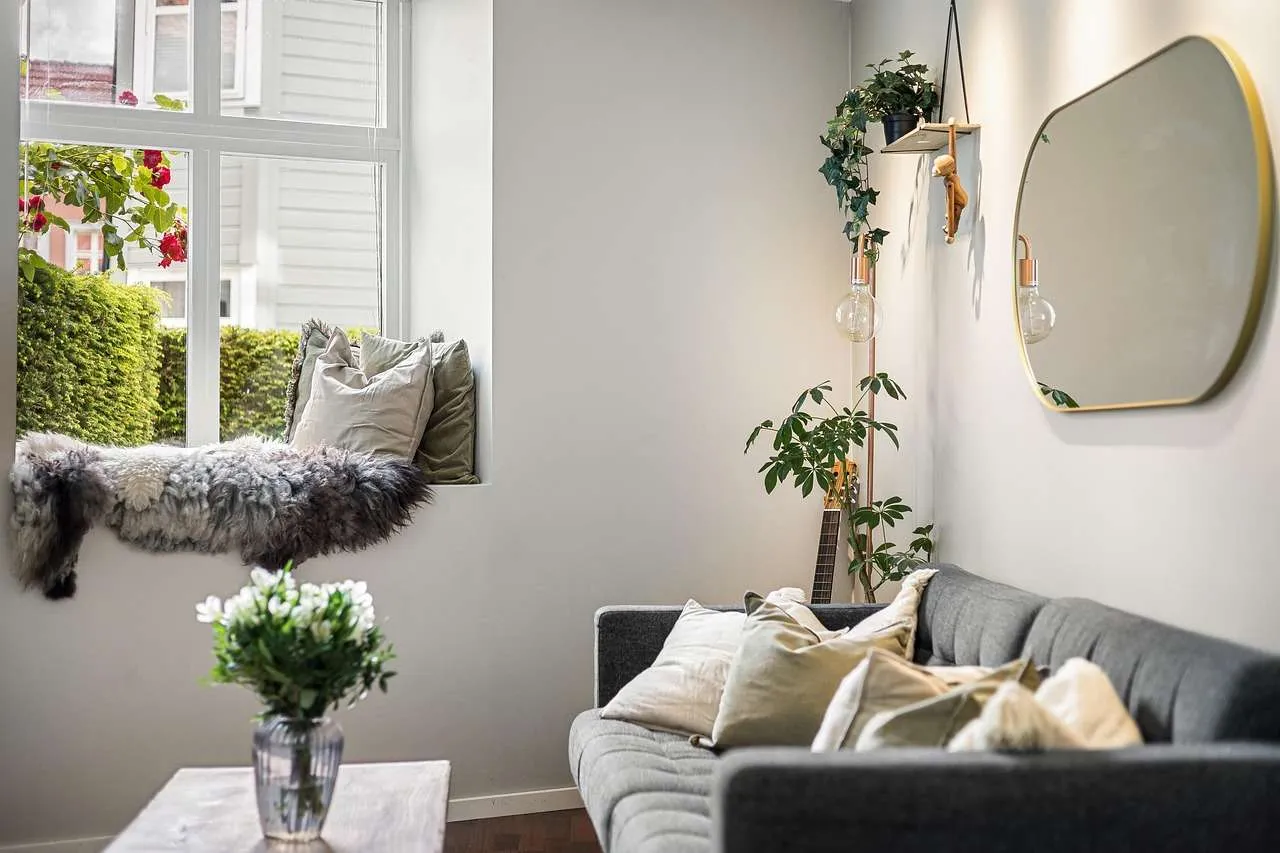
Home window tinting has evolved from a niche upgrade to a practical, results-driven improvement for modern homes. By applying a thin solar-control film to interior glass, homeowners can cut heat, block ultraviolet rays, and reduce glare without sacrificing visibility. The right tint enhances comfort, protects furnishings, and can even lower energy bills when paired with effective window strategies.
Why home window tinting matters
In hot climates, solar heat can account for a large share of cooling loads. Tint films reflect or absorb solar radiation, lowering interior temperatures and easing air conditioning demand. In cooler seasons, some films can help overall comfort by reducing heat loss at night with the right product. Beyond temperature control, window tinting provides UV protection that slows fading of fabrics, carpets, and artwork, preserving the look of your home over time.
Glare reduction is another practical benefit. By limiting harsh sunlight without making rooms dim, tinting improves TV and computer screen visibility and reduces eye strain for long periods of daylight viewing. For homeowners seeking more privacy, films offer a private, yet still clear, view from the inside out—particularly useful on street-facing or ground-level windows.
Understanding tint options
Dyed films
Dyed films are a budget-friendly option that provide noticeable privacy and a uniform look. They are relatively easy to install and can enhance aesthetics. However, they tend to darken unevenly over time and offer modest heat rejection compared with higher‑end films. Longevity can be shorter, as dyes may fade or change color with prolonged sun exposure.
Ceramic films
Ceramic or nano-ceramic films deliver the strongest performance without metallic elements. They provide excellent heat rejection, high UV protection, and minimal color change, while remaining non-conductive—so there is no interference with Wi‑Fi, GPS, or vehicle remotes inside the home. Ceramic films are typically more expensive upfront, but offer long-term energy savings and durability.
Metalized (metal-infused) films
Metalized films reflect a portion of the sun’s heat and can be very effective for glare control. The reflective look can vary from subtle to noticeable, depending on the shade. A potential downside is interference with electronic signals and certain remote controls; installation quality matters, especially on older windows. These films can also show halos or edges if not properly applied.
Carbon and premium non-reflective films
Carbon films strike a balance between appearance and performance. They offer strong heat rejection and UV protection without the mirrored look of metalized films. They tend to maintain color over time and resist fading, though they are pricier than dyed options. Carbon films are a popular choice for homeowners seeking a modern, non-reflective finish.
Hybrid and laminate options
Hybrid films combine layers (for example, dyed and ceramic) to achieve enhanced durability and performance while controlling costs. Laminate or multi-layer films add scratch resistance and longevity, making them suitable for high-traffic or sun-exposed windows. These options typically come with longer warranties but at higher upfront costs.
Choosing the right tint and installer
Key performance metrics help you compare options. Visible light transmission (VLT) indicates how much light passes through; lower VLT yields more privacy and darker rooms. Solar heat gain coefficient (SHGC) shows how well a film reduces heat from the sun. UV rejection is crucial for protecting interiors and occupants. Color, reflectivity, and the long-term durability should align with your climate, home style, and budget.
Local regulations may limit front-window tint darkness and reflectivity. Always verify permissible levels with building codes or a licensed installer to avoid compliance issues. A reputable installer will assess your glass type, frame condition, and mounting method, and provide a transparent estimate, warranty details, and post-install care instructions.
DIY vs professional installation
DIY tint kits are available for small projects, but professional installation is strongly recommended for large or multi-pane windows. Pros ensure precise cuts, proper heat-shrinking, and bubble-free results, maintaining the film’s clarity and longevity. Professionals also offer warranties on both the film and workmanship, which can mitigate future maintenance costs and provide peace of mind during home resale.
Cost, maintenance, and warranties
Installed window tinting typically ranges from a few dollars to over a dozen dollars per square foot, depending on film type, glass complexity, and local labor rates. Ceramic and carbon films generally cost more upfront but offer greater year-round energy savings. Routine maintenance requires only mild soap and water; avoid abrasive cleaners that could scratch the film. Warranties vary by film type and installer, so read coverage for peeling, bubbling, and fade before purchase.
Comparison of common window tint types
| Type | VLT | SHGC | UV Rejection | Privacy | Durability | Typical Cost | Notes |
|---|---|---|---|---|---|---|---|
| Dyed film | 40–85% | Low–moderate | High | Medium | Moderate | Low | Best for budget, color changes possible |
| Metalized film | 20–70% | Low–moderate | Excellent | Medium to High | Moderate | Moderate–High | Mid-range to high |
| Ceramic film | 40–70% | Low–low | Excellent | Low to High | High | High | High |
| Carbon film | 25–60% | Low–moderate | Excellent | Medium | High | Moderate–High | Moderate to high |
| Hybrid/laminate | 30–65% | Low–moderate | Very good | Medium | High | High | Mid-to-high |
Putting it all together: best practices
Start by identifying your goals—energy savings, privacy, glare control, or a combination. Have a qualified installer perform a window assessment that accounts for glass type, frame condition, and climate considerations. Ask about warranty terms, post-installation care, and whether the film will affect measurements for any existing security systems or sensors. Finally, compare a few quotes that include product specifications and a clear timeline to ensure you’re selecting the best value over time.
Conclusion, home window tinting is a practical upgrade that delivers comfort, protection, and potential energy savings when chosen with care. By understanding the film types, legal considerations, installation quality, and ongoing maintenance, homeowners can select a solution that harmonizes with their home’s aesthetic and climate, while ensuring a reliable, long-term return on investment.